

Circadian rhythms, blue light, and sports performance
How light regulation can influence activation, recovery, and rest in athletes.
In sports, we constantly talk about training, nutrition, strength, mobility, or muscle recovery. However, there is a less visible variable that directly influences physical and mental performance: light.
Light not only allows us to see. It also acts as a biological signal that regulates the nervous system, alertness, hormone production, sleep, and recovery. That’s why NOR | Neural Optical Recovery was created, a collection designed to modulate light exposure during each phase of the athlete’s day.
What circadian rhythms are
Circadian rhythms are internal biological cycles that repeat approximately every 24 hours. They regulate essential functions such as sleep, body temperature, metabolism, attention, hormone production, and recovery capacity.
In athletes, these rhythms influence energy levels, coordination, strength, reaction time, concentration, and rest quality. When the circadian rhythm is disrupted, the body may perform worse and recover more slowly.
What melatonin is and why it matters in sports
Melatonin is a hormone produced by the pineal gland that helps the body initiate nighttime rest. Its production increases when light fades and decreases when we are exposed to intense light, especially blue light.
For an athlete, sleeping well is not optional. During sleep, training adaptations are consolidated, muscle recovery is promoted, the hormonal system is regulated, and the nervous system is restored. Poor sleep quality can result in worse recovery, more fatigue, and lower performance.
What is blue light
Blue light is part of the visible spectrum and is naturally present in daylight. During the morning and midday hours, it can be positive because it helps keep us active, awake, and focused.
The problem arises when exposure to blue light continues through the afternoon and night via screens, LED lighting, mobiles, tablets, computers, or indoor environments. At that point, it can interfere with melatonin production and make the transition to rest difficult.
How light affects the athlete
The eye not only captures images. It also informs the brain about the lighting environment. This information helps regulate activation state, circadian rhythm, and the body's preparation to perform or rest.
Poor light management can cause visual fatigue, difficulty disconnecting, lower sleep quality, worse recovery, and a feeling of accumulated tiredness. In precision, reaction, or decision-making sports, visual fatigue can directly affect performance.
Neural Optical Recovery: light regulation applied to sports
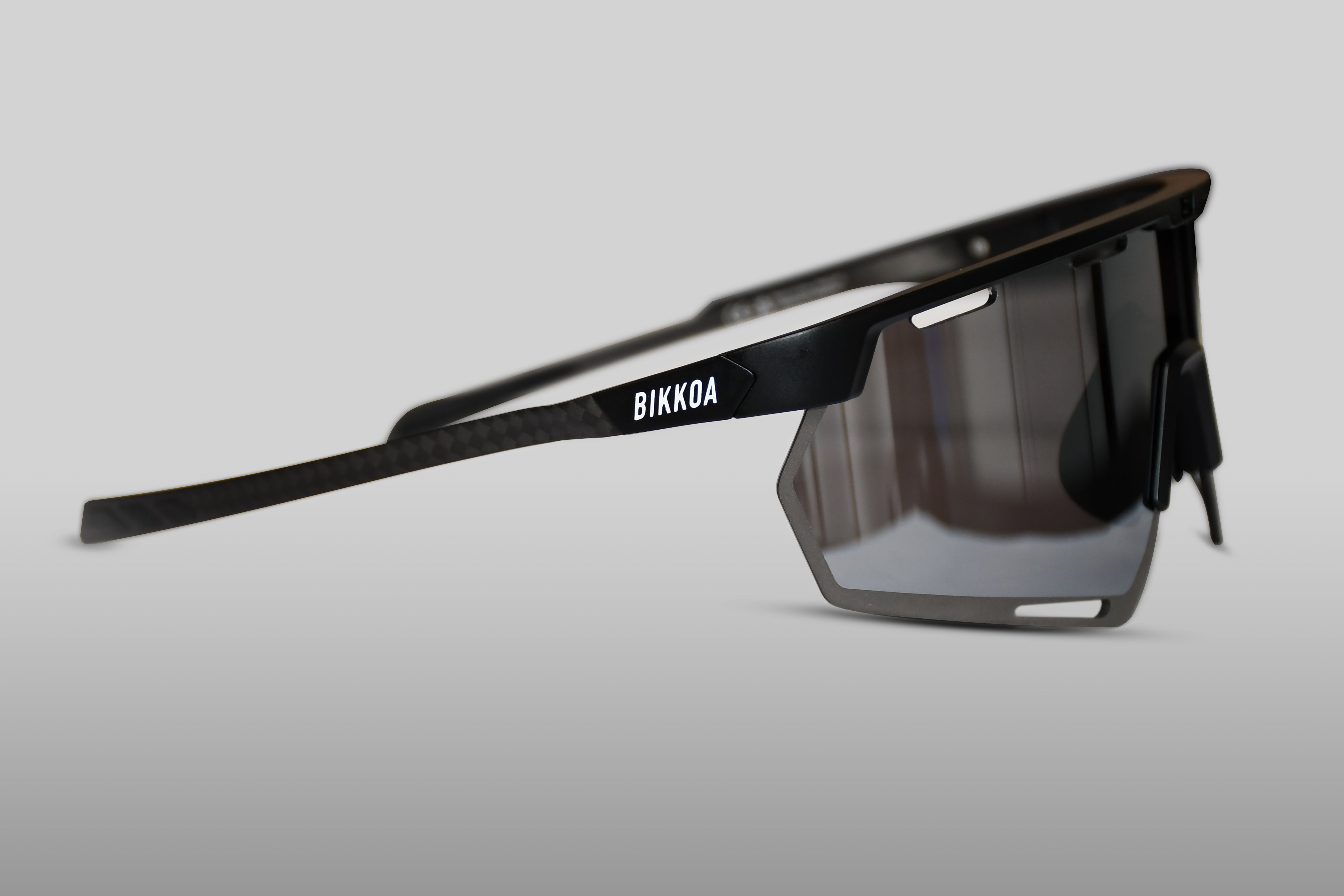
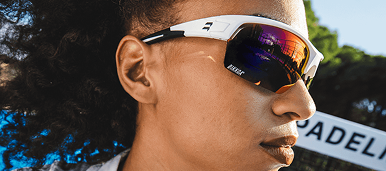
NOR | Neural Optical Recovery is a glasses system designed to support the athlete at different times of the day with specific lenses.
It's not just about blocking blue light. It's about modulating light according to the goal: activate, balance, recover, or prepare for rest.

NOR Activate: visual activation
NOR Activate uses a yellow lens designed for low to medium light conditions. It helps improve clarity, contrast, and visual perception during indoor training, early hours of the day, or flat light environments.
Its goal is to facilitate the activation of the visual system before or during training, helping the athlete to enter a focused state sooner.
NOR Calm: visual balance
NOR Calm features a pink lens designed to reduce visual overstimulation and improve comfort after effort or during transition moments.
This lens is designed for athletes who spend many hours exposed to screens, artificial lighting, or visually demanding environments.
NOR Reset: post-workout recovery
NOR Reset uses an amber lens aimed at reducing blue light exposure and supporting the decrease in activation after training.
It’s ideal at the end of the day, after training, or when the body needs to start recovering while still exposed to artificial light or screens.
NOR Sleep: deep rest
NOR Sleep features a red lens designed to block blue light in the pre-sleep phase. Recommended use is about one hour before bedtime.
This phase is key for athletes because nighttime rest determines much of the physical, mental, and hormonal recovery. Sleeping better means recovering better and being more prepared to perform the next day.
Conclusion: light is also trained
Light regulation is an increasingly important tool for amateur and professional athletes. Managing light better can help improve activation, reduce visual fatigue, aid recovery, and optimize rest.
Performance doesn’t end when training finishes. It continues in how you recover, how you rest, and how you prepare your nervous system to perform again.
Discover NOR | Neural Optical Recovery
Four lenses. Four moments. A system designed to activate, balance, recover, and rest better.
See NOR collection ↗